Open source, business, marketing, community
Statuses

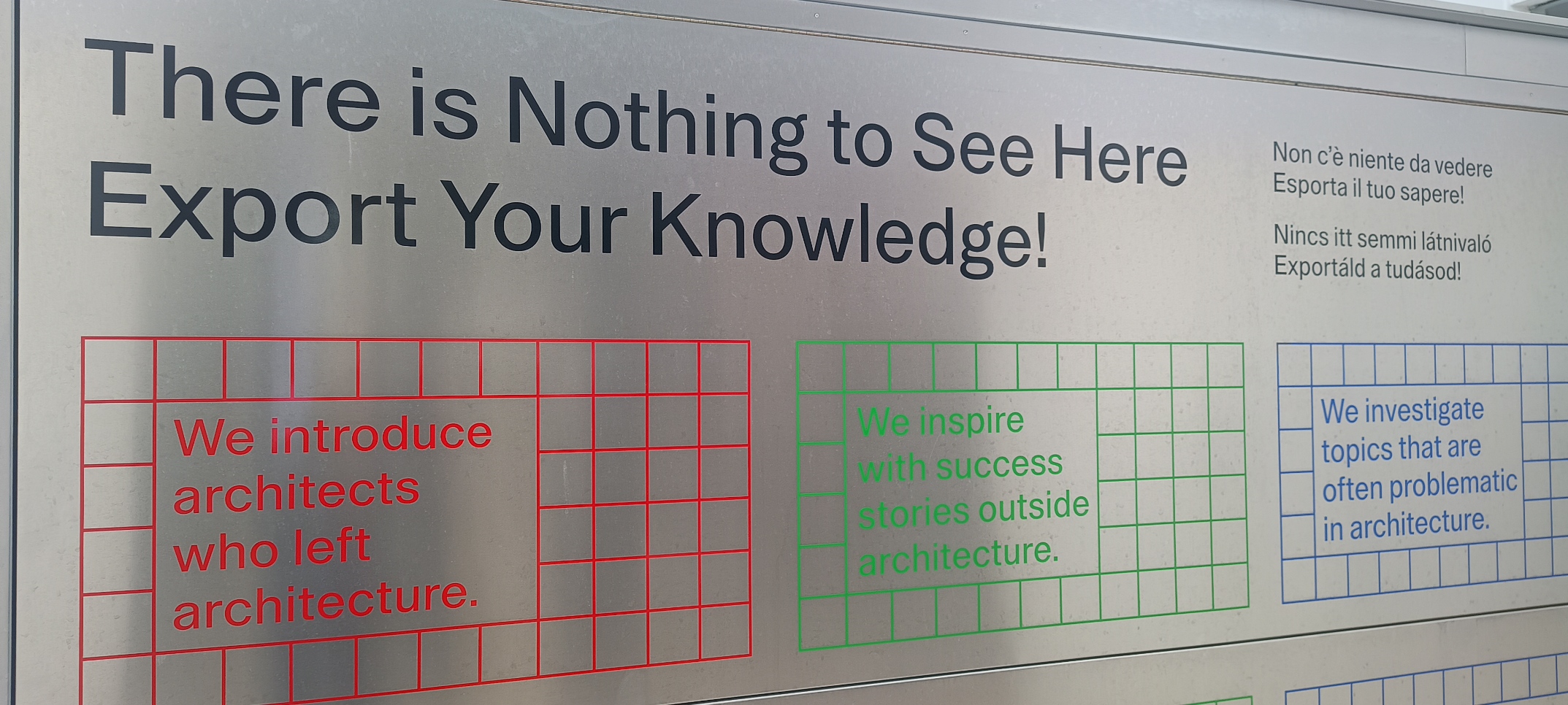
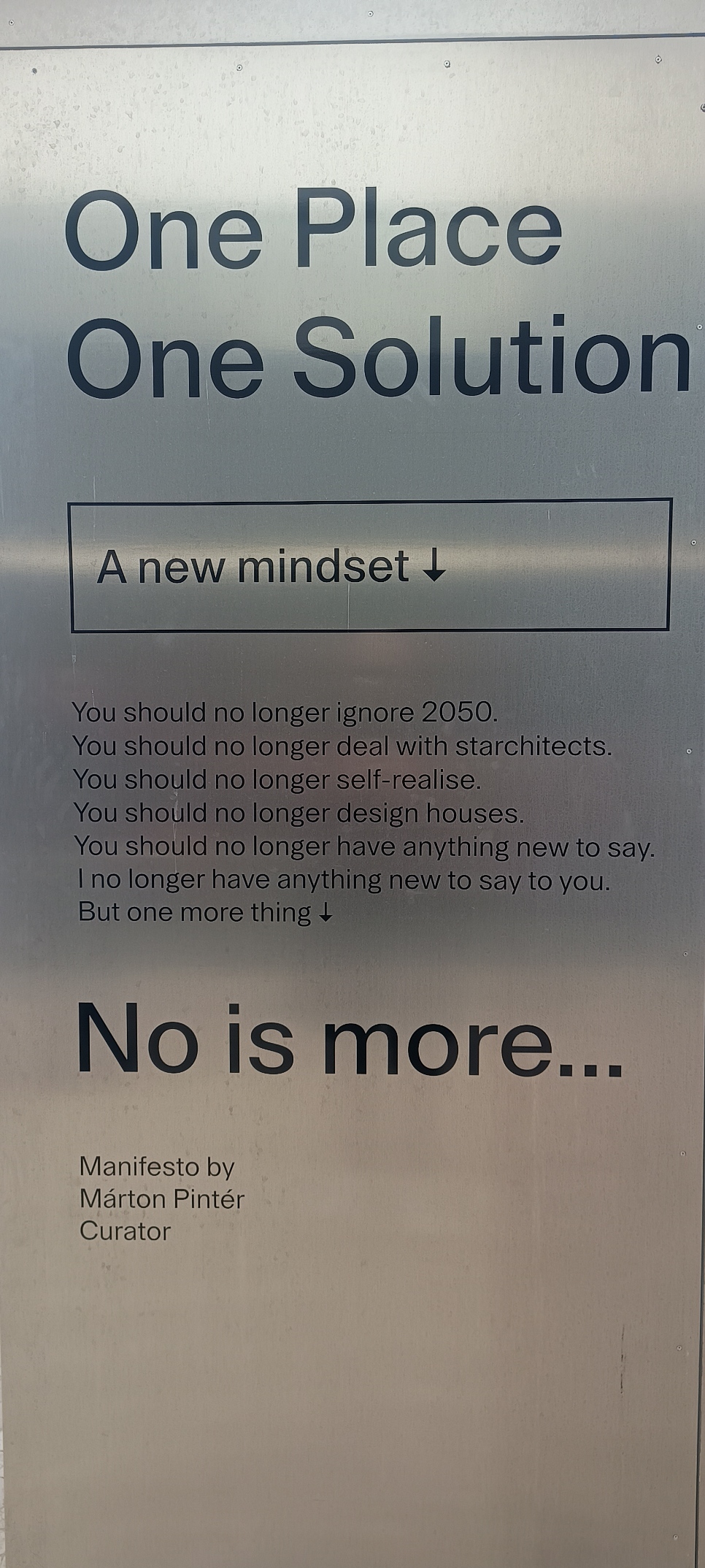
The message of the Hungarian pavilion at the Biennale resonated with me. They decided to celebrate Hungarian architects that don’t do architecture anymore but have gone to do other things, bringing the craft with them. Very cool.

Mozilla’s pivot to AI takes more shape

Mozilla Firefox’s new “AI Window” shows how deep the organization’s pivot to AI is. It’s a bold bet and a smart one. AI should be built like the internet: open, accessible, and grounded in user choice. The next era of browsers will be defined by user agency, not lock-in.

AI should be built like the internet — open, accessible, and driven by choice — so that users and the developers helping to build it can use it as they wish, help shape it and truly benefit from it.

Source: Introducing AI, the Firefox way: A look at what we’re working on and how you can help shape it

Transparency is a key ingredient of freedom. Great work by Francesca Bria

“a self-reinforcing loop: Ideology fuels venture capital → capital captures the state → the state feeds the same private systems that built it. A new model of power — privatized sovereignty.”

https://www.authoritarian-stack.info/

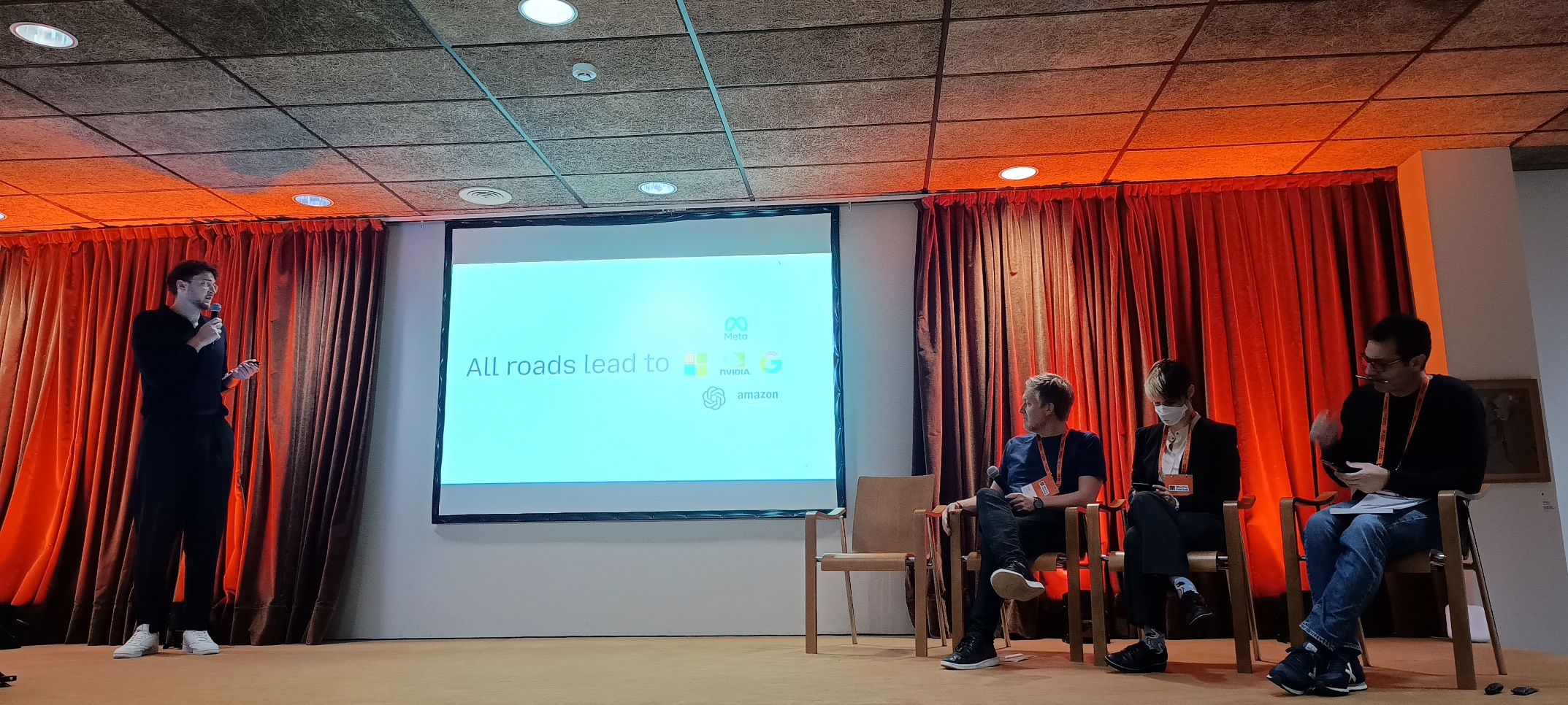
Does anyone want to have Big Tech owning too? Question raised at Mozilla Festival. What do you think the answer was?

Common Crawl Is Doing the AI Industry’s Dirty Work – The Atlantic

“You shouldn’t have put your content on the internet if you didn’t want it to be on the internet,” Common Crawl’s executive director says.

Common Crawl Foundation is under attack and we must defend it like we would defend other parts of the digital commons, like the Internet Archive, Wikipedia, Software Heritage and the likes.

The argument that AI training is done only by evil corporation is fundamentally wrong, like it’s wrong to think that text regurgitated by a machine is a substitute for a news article. This is getting out of control.

Source: Common Crawl Is Doing the AI Industry’s Dirty Work – The Atlantic

Data scraping, AI and the battle for the open web

The crucial debate around a “public AI” revolves around the right to scrape the public web. There is no easy solution. This article by a member of the Alliance for Responsible Data Collection is a good starting point to understand the complexity and what’s at stake.

For decades, small and medium-sized enterprises (SMEs) have relied on data scraping for competitive intelligence, customer sentiment, market development and financial analysis. Academic institutions rely on web crawling and data scraping for research. Non-profits routinely crawl and scrape data for societal good, such as archiving public websites, monitoring hate speech and helping to prevent human trafficking.Against a backdrop of evolving economic models and developing legal and regulatory frameworks, the diversity of stakeholder priorities highlights the tension between competing values.

Source: Data scraping, AI and the battle for the open web — Financier Worldwide

Mautic’s Campaign Library enters phase 2 funded by NLNet and the EC

Mautic is gaining the capability to share campaing templates across installations. Basically this means that Mautic users will have a library of pre-built campaign templates to start from. This will save time to marketing teams, even if it will also mean that everybody will run the same campaigns.

For small companies and short-staffed non-profits, this will be helpful.  The development is funded via a grant from NLNet and the European Commission through the NGI0 Commons Fund

Source: Mautic’s Campaign Library Initiative phase 2 funded by NLnet and the European Commission – Mautic

OpenFold3 is an Open Source foundation model competing with the proprietary AlphaFold

It was bound to happen: A challenge to the proprietary AlphaFold3 with full building code, training datasets, training checkpoints, developed by a non-profit consortium financed by large biotech companies.

The Open Source collaboration model is powerful and spreads quickly.

A key advantage of OpenFold3 is its Apache 2.0 license for all software components. Unlike AlphaFold3, which is available for limited academic use and not licensed for industry applications, OpenFold3 allows all users to test the model, train it with new datasets, develop new applications, and adapt the model, which is not possible with partially open-source AI models.

Source: OpenFold Consortium Releases Preview of OpenFold3: An Open-Source Foundation Model for Structure Prediction of Proteins, Nucleic Acids, and Drugs